Purslane: The Powerful Wild Plant Most People Pull Out as a Weed
Discover the health benefits of purslane, a nutritious wild plant often mistaken for a weed. Learn how to identify it, prepare it, and safely include it in your diet.
3/15/20262 min read
Purslane: The Powerful Wild Plant Most People Pull Out as a Weed
Many people see purslane growing in their gardens and quickly pull it out, thinking it is just another weed. What most people do not realize is that purslane is actually one of the most nutritious wild plants in the world. This small leafy plant has been used for centuries as both food and natural medicine. It grows easily in warm climates and is commonly found in gardens, fields, and even between cracks in sidewalks.
What is Purslane?
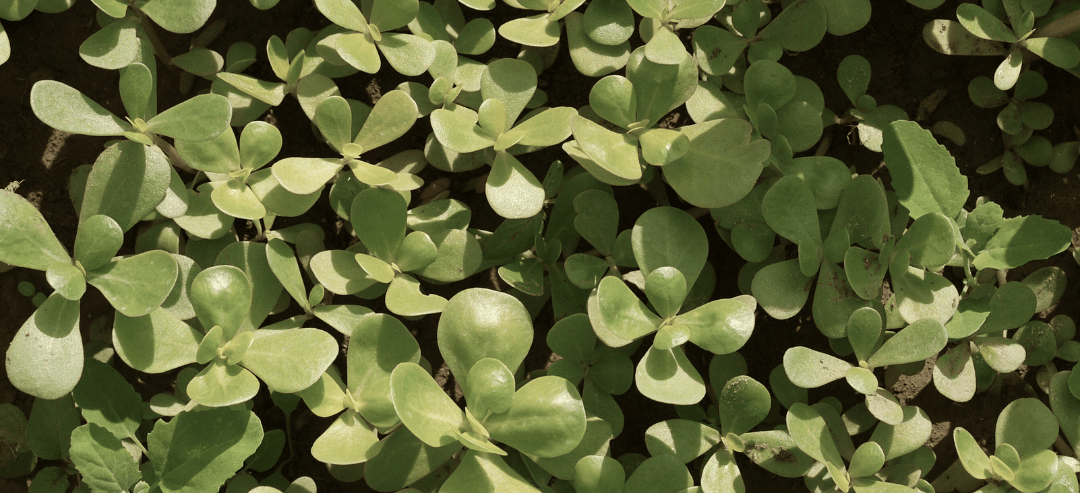
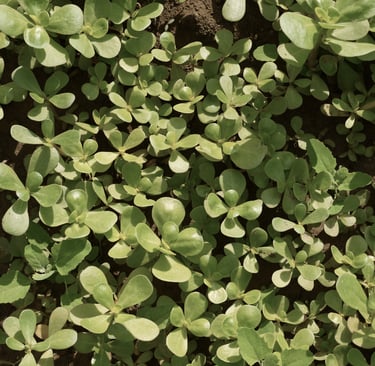
Purslane (Portulaca oleracea) is a low-growing succulent plant with thick, smooth leaves and reddish stems. It spreads along the ground and produces small yellow flowers. The leaves are slightly crunchy and have a mild lemony taste, making them a great addition to many dishes.
This plant grows naturally in many parts of the world and has long been valued as both a nutritious vegetable and a traditional remedy.
Health Benefits of Purslane
Rich in Omega-3 Fatty Acids
Purslane is one of the few leafy plants that contains a significant amount of omega-3 fatty acids. These healthy fats are important for heart health and may help support healthy cholesterol levels.
High in Vitamins and Antioxidants
The leaves contain vitamins A, C, and E, along with powerful antioxidants that help protect the body from damage caused by free radicals.
Supports Heart Health
Because of its omega-3 content and antioxidants, purslane may help support cardiovascular health when included as part of a balanced diet.
May Help Reduce Inflammation
Traditional herbal practices have used purslane to help calm inflammation and support overall wellness.
Hydrating and Nutritious
Since purslane leaves are succulent and contain a high amount of water, they can also help keep the body hydrated while providing important nutrients.
How to Identify Purslane
Purslane is easy to recognize once you know what to look for.
Key features include:
• Thick, smooth, oval-shaped leaves
• Reddish stems that grow close to the ground
• Small yellow flowers
• A spreading growth pattern that forms mats along the soil
Always make sure you correctly identify any wild plant before consuming it.
Ways to Eat and Prepare Purslane
Purslane is very versatile and can be enjoyed in several ways.
Fresh in Salads
The leaves add a slightly tangy flavor and crunchy texture to fresh salads.
In Soups and Stir-Fries
Purslane can be cooked with vegetables, meat, or fish. It softens quickly when heated.
As Herbal Tea
Some people dry purslane leaves and steep them in hot water to make a mild herbal tea.
In Smoothies
Fresh purslane leaves can also be blended with fruits and other greens to make a nutritious smoothie.
Safety and Precautions
Although purslane is safe for most people when eaten in moderation, it contains oxalic acid. People who have kidney stones or conditions related to oxalate should speak with a healthcare professional before consuming large amounts.
As with any wild plant, proper identification and moderation are important.
Final Thoughts
Purslane is a remarkable plant that many people overlook. Instead of treating it as a weed, it can be appreciated as a nutritious wild green that has supported traditional diets for generations. With its impressive nutritional profile and versatility in the kitchen, purslane deserves more attention as a natural food source.